 Türkçe
 English
 Deutsch
 Français
 Español
GEO · Measurement
What can we measure, and what can we not?
There is no standard tool that measures with certainty your place in AI answers. But you can track progress with indirect signals. We explain it honestly.
There is no standard tool that measures with certainty your place in AI answers. But you can track progress with indirect signals. We explain it honestly.
There is no counter that everyone accepts that shows with certainty how many times a business appears in ChatGPT, Gemini or Perplexity answers. Answers change by person, location and time; asking the same question twice can give different answers. So anyone who says "with GEO you appear in answers a hundred percent" is either mistaken or misleading you.
The tools we have are indirect, but looked at together they show the direction.
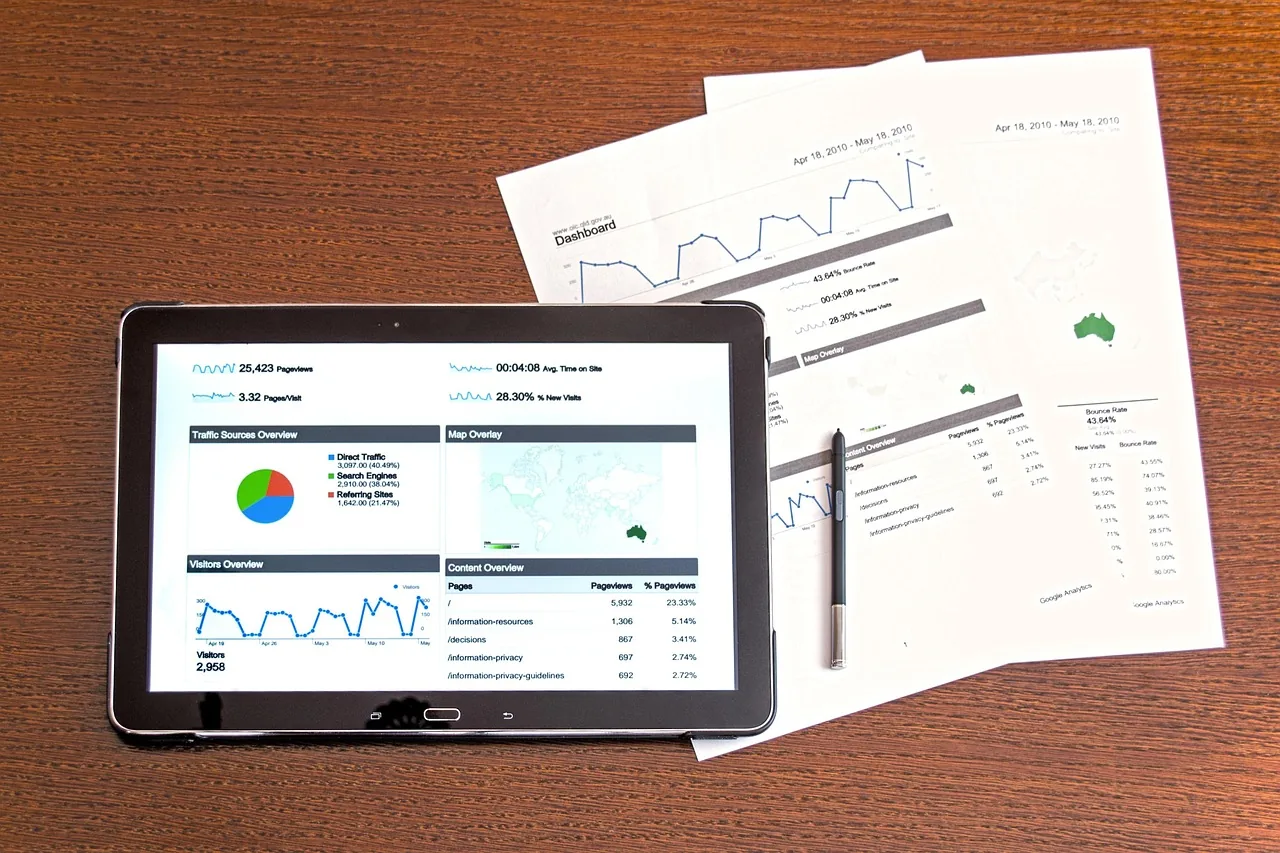
In the "referral source" report in Analytics, addresses such as chatgpt.com, perplexity.ai, copilot.microsoft.com, gemini.google.com or claude.ai may appear. These are visits that came by clicking your link inside chat tools.
The numbers are mostly small and not every click carries source information; but a rising trend is a good sign. You follow the analysis on the screen we explained on the One panel page.
People see your name in an answer and then search for your brand on Google. The growth over time of queries containing your brand name in Search Console is a strong indirect signal. Clicks from Google’s AI summaries also enter the Search Console performance report, but cannot be separated as a distinct line.
You see search performance on the screen we explained on the SEO page.
Write ten questions your customers would really ask in a list: "Which is the best ... in the area?", "How much do I pay for ...?" Every month ask the same questions to ChatGPT, Gemini, Perplexity, Copilot and Claude; note in a table whether your name appears and which sources are shown.
This method is not exact but it is practical: it also shows why you do not appear for a given question. If a competitor keeps appearing, you study what is different on their page.
In the server access logs you can see whether AI bots come to your pages. If they never come there may be an access block; if they come, at least the door is open. These logs are a technical check and are evaluated together with the bot access settings.
A bot coming does not mean appearing in an answer; it only shows that the first condition is met.
We do not look at a single measurement. We look at whether visits from AI, brand searches and manual test results move in the same direction. Keeping a short note every month lets you see which work paid off.
For the big picture go back to the GEO page; for local businesses see the local business GEO page.
There is no standard tool that measures it with certainty. You look at visits from AI tools in Analytics and brand searches in Search Console, and you also test manually.
In the referral source report you look for addresses such as chatgpt.com, perplexity.ai, copilot.microsoft.com and gemini.google.com. Not every click carries a source, so numbers may be small.
These clicks enter the Search Console performance report but cannot be separated as a distinct line.
List about ten questions your customers would ask, ask the same tools every month and write into a table whether your name appears and which sources are shown.
It shows whether AI bots come to your pages. If they do not, there may be an access block. A bot coming does not mean appearing in an answer.
We cannot give an exact time. How these tools choose changes and is not visible from outside. With regular work the trend shows over time.
Leave your number and we will call you back. We will find the right fit together.
We call you back